Dennis Menn

Ph.D. Student · UT Austin ECE

Dennis Menn

Efficient generative AI for computer vision

I am a Ph.D. student in the ECE Department at UT Austin, where I am fortunate to be advised by Prof. Diana Marculescu. I received my master's and bachelor's degrees from National Taiwan University.

My research focuses on generative AI for computer vision, with a particular interest in efficiency. If you find that we have shared research interests, please feel free to reach out by email; I am always open to potential collaborations.

I am looking for a research internship. I am available anytime from late December 2026 through Summer 2027. No visa sponsorship needed for the internship.

News

Research

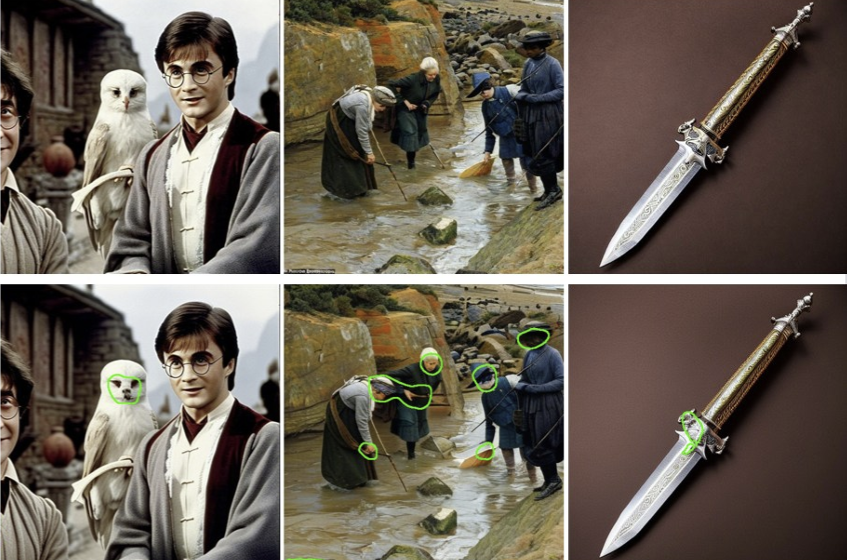
Original and artifact-injected images
Top: original images. Bottom: corrupted images, with green lines marking the regions where artifacts were injected.
Preprint

Synthesizing Artifact Dataset for Pixel-level Detection

Dennis Menn, Feng Liang, and Diana Marculescu

We propose a pipeline that automatically injects artifacts into clean, high-quality synthetic images on a predetermined region, thereby producing pixel-level annotations without manual labeling.

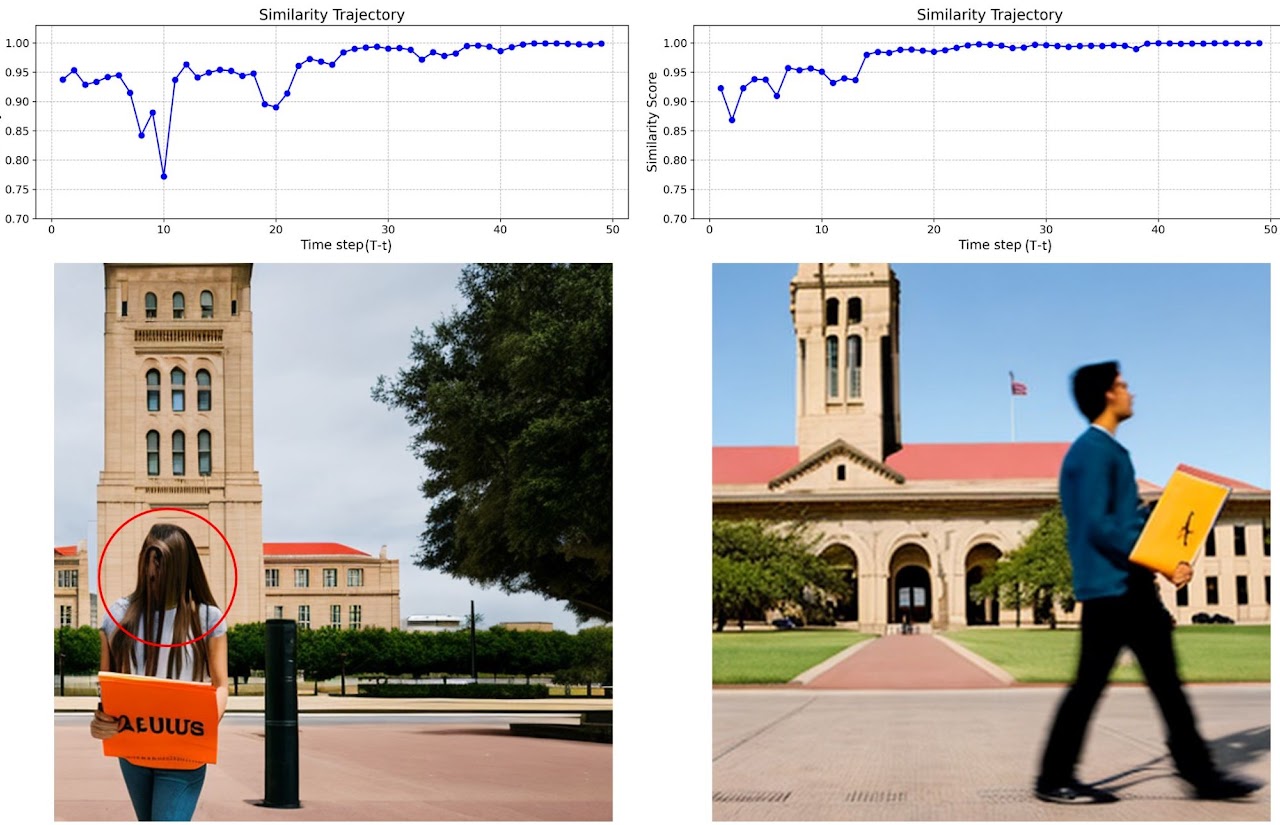
Similarity trajectories for an image with and without artifacts
An image with artifacts (left) and a natural-looking image (right), with their Similarity Trajectories.
WACV 2025 Workshop

Similarity Trajectories: Linking Sampling Process to Artifacts in Diffusion-Generated Images

Dennis Menn, Feng Liang, Hung-Yueh Chiang, and Diana Marculescu

4th Workshop on Image/Video/Audio Quality in Computer Vision and Generative AI, WACV 2025

We found that the presence of artifacts in images is related to the sampling process of the diffusion model, characterized by the "Similarity Trajectory".

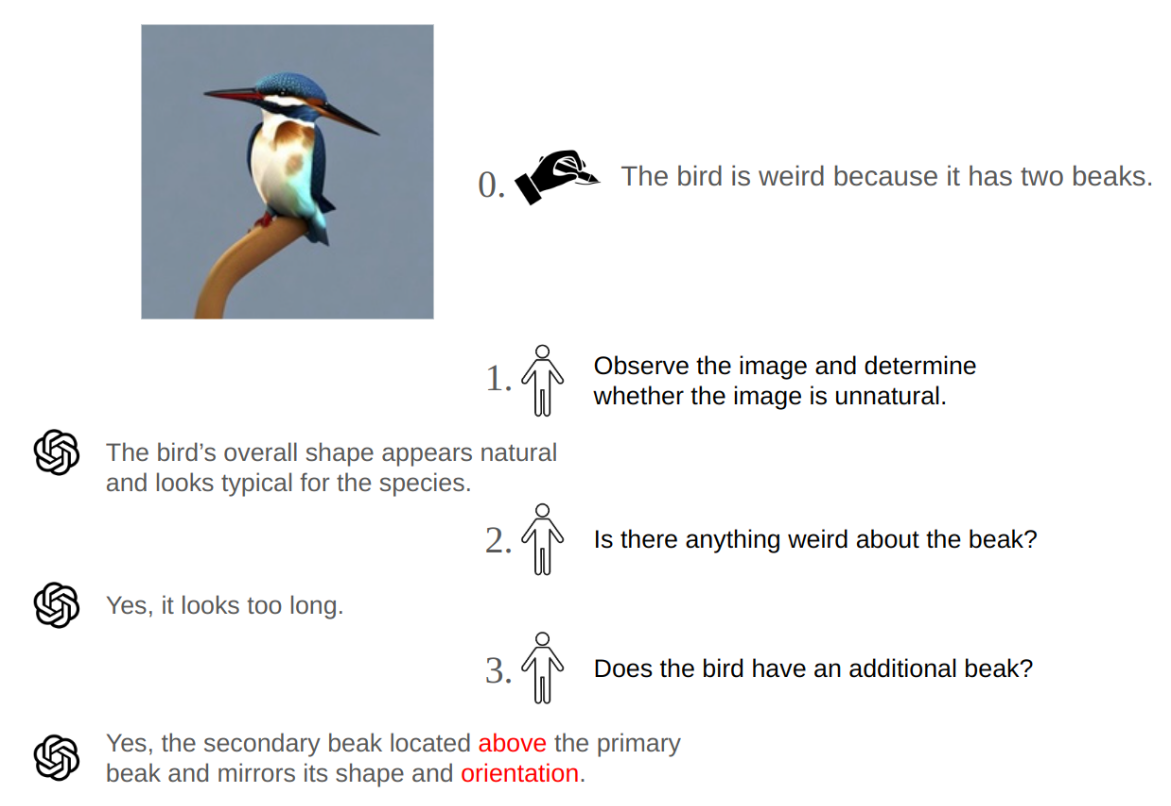
GPT conversation about a bird with two beaks
Blog post

Can GPT Models Detect Artifacts in Images?

Dennis Menn, Alexandros Dimakis, and Diana Marculescu

GPT-4/4o models are good at recognizing objects but struggle to identify obvious errors in images generated by diffusion models. One explanation is that they only recognize key features rather than understanding the complete structure of objects.

Invited Talks

Education